 21tv US
Measles: Symptoms, Complications, and Prevention
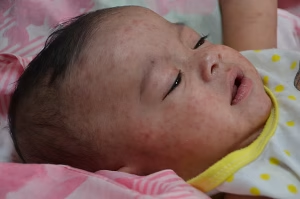
Measles is a highly contagious viral infection that spreads easily among children. It begins with high fever, cough, runny nose, and red watery eyes. Around four days after the fever starts, a reddish rash appears, first on the face and then spreading across the entire body.
The virus enters the body through the respiratory tract and temporarily weakens the immune system, making children more vulnerable to other bacterial and viral infections.
Possible Complications Measles can lead to serious health issues, including:
- Pneumonia
- Severe diarrhoea
- Ear infections
- Mouth ulcers
- Vitamin A deficiency, which may cause dry eyes, night blindness, or even permanent blindness
- Brain inflammation (encephalitis)
- Severe malnutrition
How Measles Spreads The virus spreads rapidly through coughing, sneezing, and close contact. One infected child can easily pass it to many others in the surrounding area, leading to quick outbreaks in communities.
Vaccination in Bangladesh Bangladesh’s national immunization programme provides the Measles-Rubella (MR) vaccine in two doses: the first at 9 months and the second at 15 months. According to 2025 data, 88% of children under five have received both doses, which offers strong long-term protection.
Why Measles Still Occurs Even with vaccination available, outbreaks continue because many children remain completely unvaccinated or have received only one dose. These children are at high risk and can also spread the disease. In rare cases, vaccinated children may not develop full immunity.
What Parents Should Do If your child develops fever along with a rash, consult a doctor immediately — whether it is measles or not.
- Keep the child isolated from others for at least 5 days after the rash appears.
- Continue normal feeding and give plenty of fluids.
- Follow the doctor’s advice for medicines.
- Give two doses of high-dose Vitamin A capsules on consecutive days (in the correct age-appropriate dose).
Danger Signs – Seek Hospital Care Immediately Take the child to the hospital right away if you notice:
- Difficulty breathing
- Repeated vomiting
- Convulsions
- Extreme drowsiness or lethargy
- Cloudy eyes or vision problems
- Severe mouth ulcers
In hospital, the child should be kept in a separate ward. If there are eye complications, doctors may give a third dose of Vitamin A on the 14th day.